
How Horse Racing Prices Are Set: A Guide From the Home of Flat Racing
Horse racing prices, or odds, are basically a reflection of probability, market demand and statistical data. In the UK, places like Newmarket which is often referred to as the "Home of Flat Racing", depend on a structured system that goes from expert assessments to live public betting.
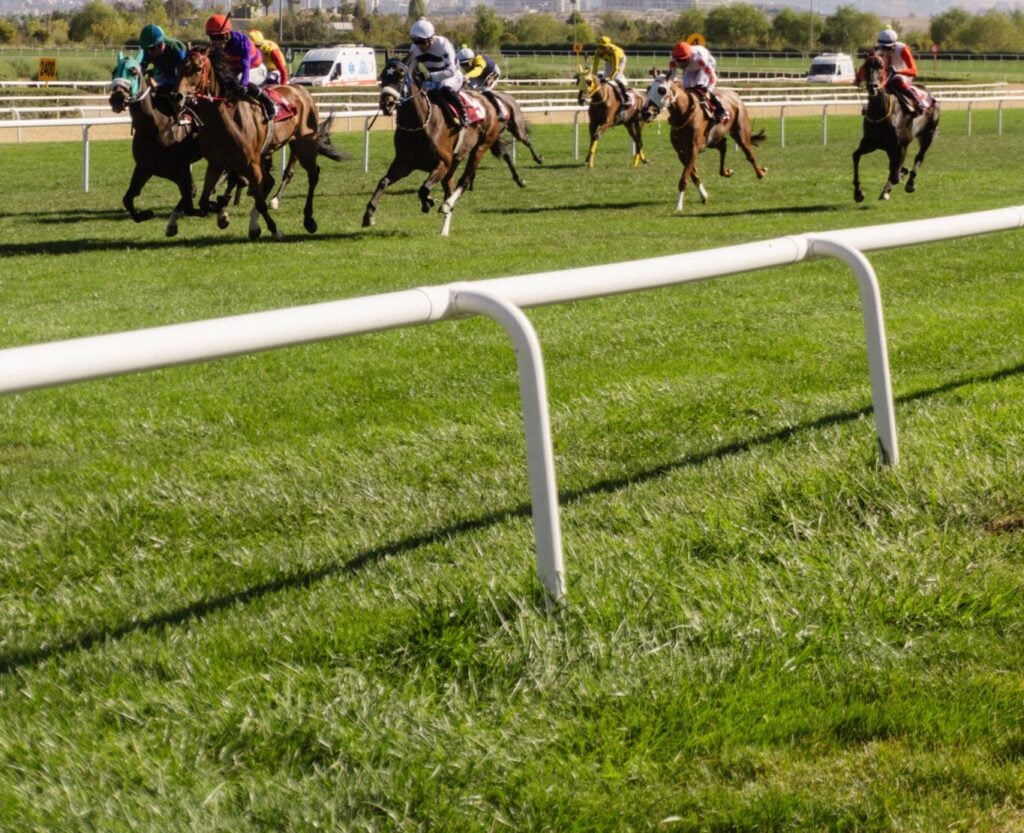
Newmarket, a town that's nestled in the rolling Suffolk countryside, is globally recognised as the birthplace and true home of flat racing. The two legendary racecourses, known as the July Course and the Rowley Mile, run parallel to miles of sacred training grounds in a town that lives and breathes horse racing. The thousands of fans flocking to meetings like the historic Cambridgeshire Handicap or the prestigious 2,000 Guineas find that half the thrill of the day comes from studying the racecard and watching the boards change.
But just how do those numbers appear beside a horse's name, and what causes them to fluctuate during the build-up to the off? In order to understand how horse racing prices are set and moved, you need to take a look behind the scenes at the precise calculations of odds compilers and the weight of public market support.
The Foundations of Crafting the Tissue Price
Before a single pound is placed by the public on a race at the Rowley Mile, expert odds compilers work to create the tissue price. This refers to an initial forecast of what the betting market should look like based solely on statistical probability.
Compilers evaluate a vast selection of variables in order to ascertain each runner's theoretical chance of victory, and then translate that probability into decimal or fractional figures.
Form and Technical Merits
A horse's past performance is the main building block of any price. Compilers carefully assess things like:
- Race charts
- Official ratings
- Speed figures
- Sectionals
The Going
The going refers to the condition of the turf, and it's a critical variable in the world of flat racing. Some thoroughbreds thrive when the ground is fast and firm because this allows them to use their natural speed. Others require immense ease in the ground, showing their best form on soft or heavy turf.
Compilers always look at the expected weather conditions in Suffolk and cross-reference the expected track conditions with a horse's past performances on similar ground.
Trainer and Jockey Dynamics
In a town that boasts over 3,000 racehorses as well as dozens of elite training yards, local connections carry a lot of weight, and the current form of a specific stable is carefully monitored.
If one of the top Newmarket trainers is working at a 25% strike rate for the month, their runners will see their prices being adjusted accordingly. Similarly, booking a champion jockey who knows precisely how to time a run on the challenging, unforgiving dip of the Rowley Mile will cause a horse's opening price to shorten instantly.
Market Support and the Moving Line
After the tissue price is officially released to the public, the market changes from an algorithmic prediction into a live market environment that's dictated entirely by supply and demand. Bookmakers don't want to gamble and, as such, their goal is to balance their books so that they can lock in a predictable profit margin regardless of which horse ends up crossing the line first.
When a torrent of money targets a specific runner, maybe in response to positive whispers from the morning gallops on the Warren Hill training grounds, the bookmaker is faced with a potential liability. To mitigate this risk, they will quickly slash the odds of that heavily backed horse.
The prices of the other runners in the field will then drift outward as a way to keep the overall book balanced and enticing, becoming longer and more lucrative to attract counter-balancing bets from bettors seeking value.
The Long-Game of Ante-Post Prices
The markets are often available months in advance for major events on the flat racing calendar, like the 1,000 Guineas held early in the season. These are known as ante-post prices, and betting in these markets can offer you a distinct trade-off between risk and reward.
Due to the big uncertainty of whether or not a horse will actually line up on the day, the prices offered are generally much larger than those available on the actual day of the race. But the general rule of ante-post betting is that, if your horse doesn't line up on the day, you lose your stake completely.
Reading the Board Through Fractional Odds
If you've ever walked the betting ring behind the grandstands, you'll know that prices are predominantly displayed as fractions. Reading these numbers is straightforward once you understand that a fraction represents the ratio of what you stand to win relative to the stake you put down.
Next time you watch the runners parade under the trees at Newmarket, remember that the numbers on the board are a living, breathing calculation of data, environmental odds and the collective financial opinion of the racing public.
18+ Only. Please gamble responsibly. For balanced support, advice, and information regarding gambling safety, visit BeGambleAware.org.