
Run Forever: The Remarkable Story of the Newmarket Town Plate
Saturday’s race meeting at the July Racecourse will feature the historic Newmarket Town Plate.
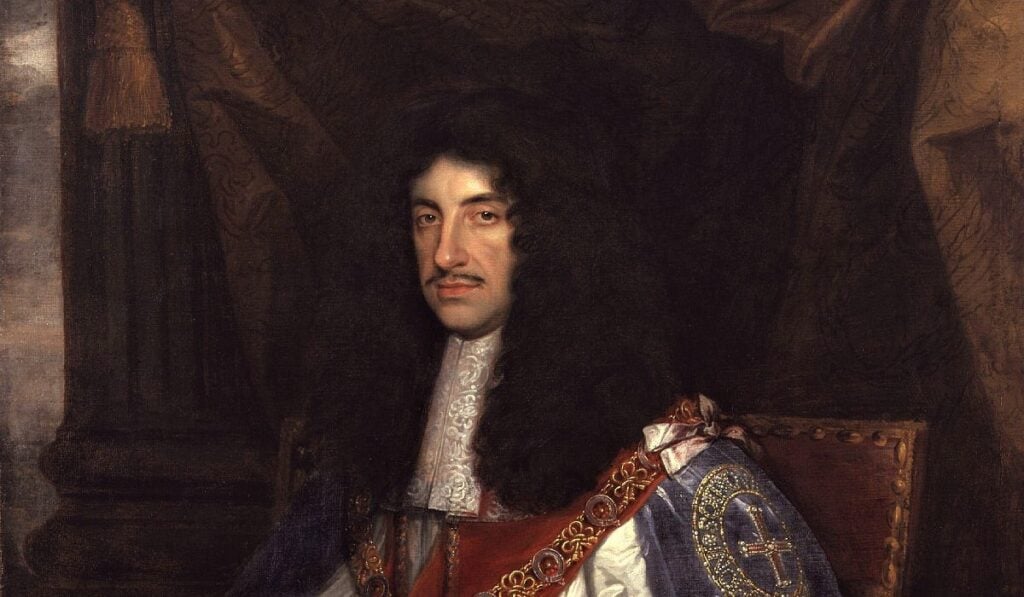
First run in 1666, the race was created by King Charles II, who established an official set of rules for the contest and instructed that it should be run every year, forever.
This Saturday, 22 August, another group of amateur riders will tackle Newmarket’s famous Round Course (which starts at the National Stud grounds), continuing a tradition that began 360 years ago.
Discover the remarkable story behind this historic highlight of Saturday’s card:
Picture Newmarket Heath in October 1666. There are no grandstands, starting stalls or cameras. Instead, horses and riders gather on open land for a contest that will help change racing forever.
What makes this moment important is not simply the distance, the prize or even the royal figure behind it. Before a horse moves, there are rules.
The day racing gained a rulebook
King Charles II drew up the Articles for the Town Plate in 1665, with the first running taking place the following year. They set out who could enter, the weight riders must carry, how the course should be completed and how disputes would be settled.
The Town Plate was not the first horserace, nor is it the oldest English race still running. Its true significance is that it became the first organised race governed by an official set of universally binding rules. For that reason, it is regarded as an important starting point for formal, modern horseracing.
Charles II later rode the winner himself, becoming the first and only reigning monarch to win a race. He also instructed that the Town Plate should be held every year, forever.
From a royal contest to a town tradition
Over the centuries, the Town Plate became part of Newmarket life. People still recall a time when the town would close for the afternoon and residents would make their way to the course together.
It also offered opportunities that were unusual elsewhere. Today, the event remains open to amateur riders aged 16 and over. Until 1972, it was the only registered race in which female jockeys could compete.
The king’s instruction has survived periods of enormous change. The Town Plate was not staged during the Second World War and was cancelled in 2020 because of the COVID-19 pandemic. On both occasions it returned, allowing another generation to continue the story.
One historic course and a formidable challenge
The modern Town Plate still has a strong connection to its beginnings. It is the only remaining event to use part of Newmarket’s original Round Course.
Starting by flag within the grounds of The National Stud, horses and riders tackle three miles and six furlongs before finishing on the July Course. With a maximum of 15 runners, it demands stamina, skill and determination from every participant.
The prizes capture its distinctive character. Alongside the Goldings Perpetual Challenge Plate, successful riders can receive Goldings vouchers and boxes of celebrated Powters Newmarket sausages.
This is part endurance test, part community tradition and part living history.
The story continues in 2026
On Saturday 22 August 2026, 360 years after the first running, a new group of riders will add their names to the story.
For racing enthusiasts, the Town Plate offers a rare test of horse and rider. For everyone else, it is something just as compelling: the chance to see a royal instruction from the 17th century carried out across the same Newmarket landscape today.
You can explore more of the town’s story at the National Horseracing Museum, visit The National Stud or join one of our guided tours.
Find the latest information about the 2026 Newmarket Town Plate and plan your journey to Newmarket.